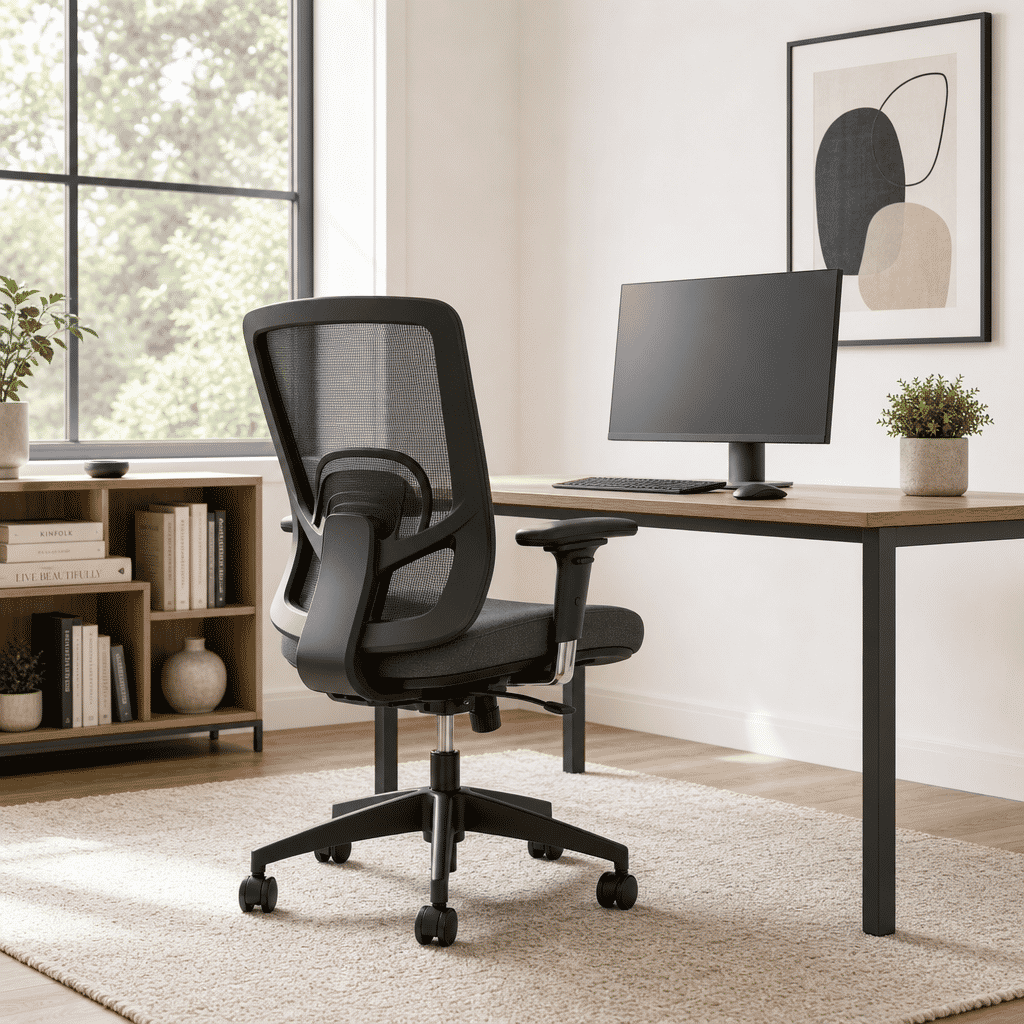
In an era where many of us spend a significant portion of our day seated at desks, the importance of ergonomically designed furniture cannot be overstated. The rise in health issues related to poor posture and prolonged sitting has highlighted the need for solutions that prioritize comfort and well-being. Ergonomically designed furniture is here to bridge this gap, offering a blend of comfort, health benefits, and aesthetics to transform spaces into havens of productivity and relaxation.
At the heart of ergonomic design is a commitment to human-centered development. This means creating furniture that adapts to the natural contours and movements of the human body, thereby minimizing strain and enhancing support. Ergonomic chairs, for example, often feature adjustable components like seat height, backrest angle, and armrest position, allowing users to customize their seating experience to suit their unique body dimensions and preferences. This adaptability ensures that the spine is properly aligned, reducing the risk of developing musculoskeletal disorders that can arise from prolonged poor posture.
But ergonomic design extends beyond office chairs. Sit-stand desks have become a popular addition to modern workspaces, offering users the flexibility to alternate between sitting and standing positions. This versatility encourages movement throughout the day, which is crucial for maintaining good circulation and reducing fatigue. By promoting an active work environment, sit-stand desks help users maintain higher energy levels and focus, ultimately boosting productivity.
Ergonomically designed furniture also extends to homes, where relaxation and recuperation are essential. Ergonomic recliners and sofas are engineered to provide optimal support for relaxation, aligning the back and neck while cradling the body in comfort. These pieces not only enhance the aesthetic appeal of living spaces but also contribute to a sanctuary where one can unwind without compromising on health.
Moreover, the materials used in ergonomic furniture are often chosen with care, prioritizing breathability and durability. High-density foams, mesh backs, and adjustable lumbar supports are common features that ensure enduring comfort even after long hours of use. Eco-friendly materials are increasingly being used, reflecting a growing commitment to sustainability in design.
Beyond the physical benefits, ergonomic furniture can have a profound psychological impact. By reducing discomfort and the physical stress associated with poorly designed furniture, individuals can experience improved concentration, mood, and overall mental well-being. A comfortable seating environment naturally results in decreased stress levels, creating a more pleasant and productive atmosphere.
The investment in ergonomically designed furniture is not just an investment in furniture itself but in the well-being of its users. Whether in the office, home, or recreational spaces, this design philosophy emphasizes the symbiotic relationship between humans and their environment. It acknowledges that furniture should not only meet practical needs but also foster a healthier, more balanced lifestyle.
As we become increasingly aware of the importance of health in all aspects of life, ergonomically designed furniture stands out as a crucial element in the pursuit of holistic well-being. It is a testament to the progress in design that furniture can now offer a combination of style, functionality, and health benefits, truly supporting our bodies and enriching our lives. With ergonomic design, comfort and health are not just luxuries—they are standard features redefining the spaces where we live and work.